
Recycled Aggregates – Have we reached the end of the road of trying?
Clear Standards, Lingering Barriers
The UK has long been recognised as a leader in the use of recycled aggregates. The Mineral Products Association’s development of the Quality Protocol (QP) for Aggregates from Inert Waste has provided a robust framework for achieving “end of waste” status. While sustainability and circularity are high priorities across Europe, many EU countries still lack such frameworks, with some even operating systems that effectively restrict the use of recycled aggregates.
Here in the UK, the Quality Protocol has offered clear guidance for years, specifying input materials and the processing and testing required to meet the necessary standards. One might assume that, with these measures in place, the challenge has been overcome. Regrettably, this is not the case.
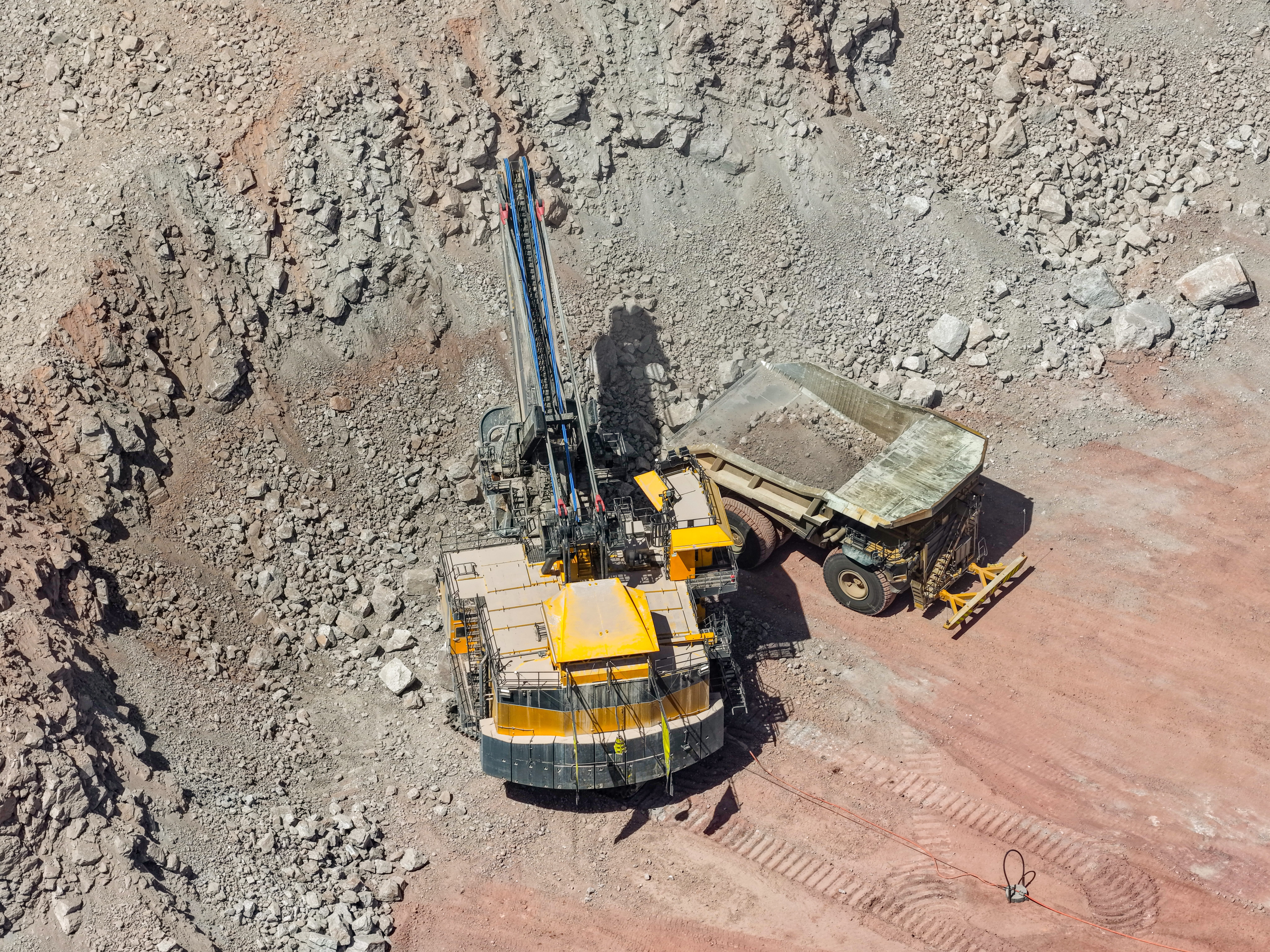
Both industry partners and local authorities continue to encounter barriers to the wider adoption of recycled or manufactured aggregates. Recent projects (that we won’t name) have insisted on primary aggregates, despite the availability of high-quality recycled options. This approach keeps quarries busy, but does it truly serve our shared sustainability goals?
Aligning Highway Practice with Sustainability
If councils are committed to sustainability, why does this commitment often seem to stop at the Highways department? What underlies this resistance to recycled aggregates? In our view, the core issue is quality assurance or, more precisely, the lack of it, combined with a shortage of skilled materials engineers to enforce compliance.
Unfortunately, some recycling companies treat recycled aggregates as a disposal route for unsuitable waste, and some contractors are willing to purchase lower-quality material if the price is right. This makes it difficult for authorities and engineers, often working with limited resources, to distinguish between high-quality and substandard products. Faced with these challenges, many simply choose the path of least resistance: using natural resources.
This reluctance is not due to a lack of specifications or standards, these are well established, thanks to Highways England. The real challenge lies in supply chain discipline and documentation. The solution is straightforward: robust supply chain management and a shared commitment to quality. Contractors and clients should insist on comprehensive, up-to-date documentation from recyclers, not just a grading sheet from years ago, but a full set of conformity documents, as outlined in the MPA framework.
For councils, this means specifying clear requirements for recycled aggregates, including compliance with British Standards, provision of test results from accredited laboratories, and evidence of certified quality management systems. For suppliers, it means investing in rigorous processing, transparent reporting, and continuous improvement.

A high quality recycled 6F4 aggregate
Moving Forward, Together
We understand the historical preference for playing it safe. However, if we are serious about increasing the use of recycled aggregates, both industry and councils must work together to insist on and deliver quality.
This is a message we have championed for many years, with notable successes. Yet, a significant part of our sector remains resistant to change. This leaves us with a shared challenge: how do we move forward together, overcoming reluctance and building confidence in recycled aggregates as a reliable, sustainable choice?
Let’s open the conversation between councils, industry partners, and all stakeholders to ensure that recycled aggregates are not just an option, but a trusted part of the future of construction in the UK.